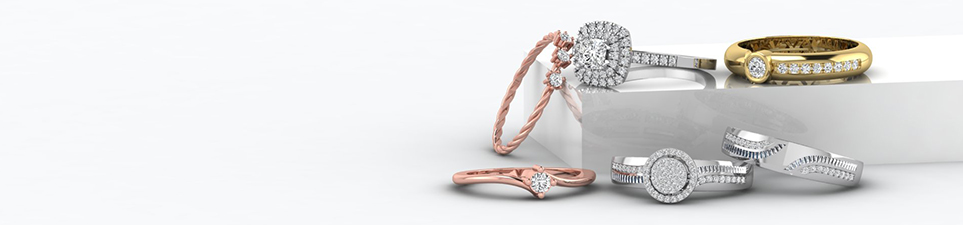
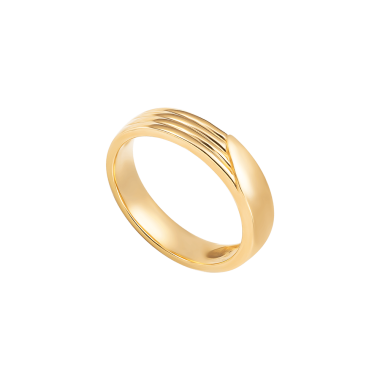
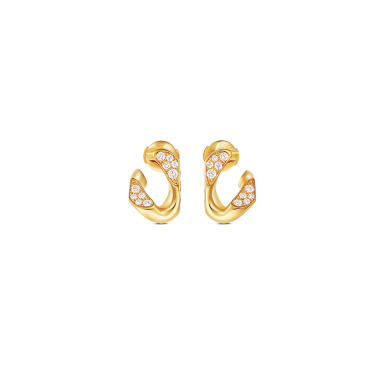
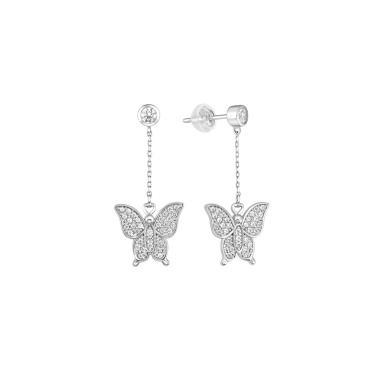
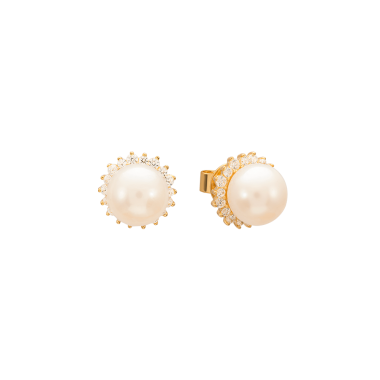
In creating jewellery, gemstones, coins, or other precious items are often used, and they are typically set into precious metals. Platinum alloys range from 900 (90% pure) to 950 (95% pure). The silver used in jewellery is usually sterling silver, or 92.5% fine silver. In costume jewellery, stainless steel findings are sometimes used.
Other commonly used materials include glass, such as fused-glass or enamel: wood, often carved or turned; shells and other natural animal substances such as bone and ivory; natural clay; polymer clay; Hemp and other twines have been used as well to create jewellery that has more of a natural feel. However, any inclusion of lead or lead solder will give a British Assay office (the body which gives U.K. jewellery its stamp of approval, the Hallmark) the right to destroy the piece, however it is very rare for the assay office to do so.
Beads are frequently used in jewellery. These may be made of glass, gemstones, metal, wood, shells, clay and polymer clay. Beaded jewellery commonly encompasses necklaces, bracelets, earrings, belts and rings. Beads may be large or small; the smallest type of beads used are known as seed beads, these are the beads used for the “woven” style of beaded jewellery. Seed beads are also used in an embroidery technique where they are sewn onto fabric backings to create broad collar neck pieces and beaded bracelets. Bead embroidery, a popular type of handwork during the Victorian era, is enjoying a renaissance in modern jewellery making. Beading, or beadwork, is also very popular in many African and indigenous North American cultures.
In creating jewellery, gemstones, coins, or other precious items are often used, and they are typically set into precious metals. Platinum alloys range from 900 (90% pure) to 950 (95% pure). The silver used in jewellery is usually sterling silver, or 92.5% fine silver. In costume jewellery, stainless steel findings are sometimes used.
Other commonly used materials include glass, such as fused-glass or enamel; wood, often carved or turned; shells and other nat- ural animal substances such as bone and ivory: natural clay; polymer clay; Hemp and other twines have been used as well to create jewellery that has more of a natural feel. However, any inclusion of lead or lead solder will give a British Assay office (the body which gives U.K. jewellery its stamp of approval, the Hallmark) the right to destroy the piece, however it is very rare for the assay office to do so.
Preserving expensive, precious jewelry pieces starts with how the accessories are organized and stored. Improper storage can tarnish, tangle, and even ruin fine pieces.
Smaller jewelry, such as earrings and rings, are especially prone to getting lost due to disorganized storage.
Taking care to properly organize jewelry can prolong its life and make it wearable for years to come.
There are many ways to organize Jewelry so that all the pieces are neatly displayed, protected, and ready-to-wear.
Store Jewelry away from direct or harsh sunlight as certain gems and precious stones such as opals, amethysts, and sapphires are damaged by UV-rays.
Extreme temperatures also negatively affect fine jewelry.
Too much moisture and humidity can cause discoloration and tarnishing. The perfect climate for storing fine jewelry is room temperature, low humidity, and indirect sunlight or no sunlight.
To prevent smaller or delicate jewelry pieces from going missing, it may be helpful to use a jewelry organizer. Jewelry organizers can easily be found in stores and online to sult your stylistic preferences.
Depending on the types of pleces stored, certain Jewelry organizers may be better
than others.
For those with a lot of rings and earrings, shallow trays with multiple dividers that compartmentalize each plece are most suitable.
Someone with a collection of bracelets may find a bracelet bar holder or a box with larger compartments and dividers to be suitable.
Necklace-wearers, however, may want to consider a flered stand with hooks and bars to easily hang necklaces without tangling or creating knots.
GIỜ LÀM VIỆC: 8AM – 8PM
HOTLINE: 1800 525256
HỆ THỐNG CỦA HÀNG:
Nui Truc Store
Address: 18 Nui Truc. Ba Dinh, Ha Noi
Opening hours: 08:30 – 20:30
Hotline: 1800 525256-0938 256 545
Hang Bai Store
Address: 35 Hang Bai, Hoan Kiem, Ha No
Opening hours: 08:30-20:30
Hotline: 1800 525256-0938 256 545
Xuan Thuy Store
Address: 134 Xuan Thuy, Cau Giay, Ha Noi
Opening hours: 08:30-20:30
Hotline: 1800 525256-0938 256 545
The options of Custom Design offered
are listed below.
Quick exchange with a policy up to
100%.
Free lifetime warranty for all
jewelry.